Japan’s Ancient Court Orchestra
GAGAKU
A thousand years of resonance. Within the silence, another sense of time comes alive.
Gagaku—the music of prayer, passed down through generations in Japan.
Its sounds fill the space, transcending boundaries and bringing harmony.
This unparalleled world of sound has finally been brought to life as a virtual instrument.
Now, a new evolution of ancient elegance begins. Experience its shimmering sounds at your fingertips.
The Series
About GAGAKU
Gagaku encompasses several different traditions, distinguished by their historical origins, musical lineage, and forms of performance.
Kuniburi no Utamai
Kuniburi no Utamai has its roots in songs and dances handed down in Japan since ancient times. It includes traditions such as Kagura-uta and Azuma-asobi, which are deeply connected with Shinto rituals and ceremonies of the Imperial Court.
Togaku & Komagaku
These traditions originated in regions of the Asian continent outside Japan.
Togaku has its roots in music introduced from China (Tang), India (Tenjiku), and Vietnam (Rin’yu). It is performed in forms such as Kangen, an instrumental ensemble, and Bugaku, in which the music accompanies dance.
Komagaku originated on the Korean Peninsula and survives today as a form of Bugaku. Bugaku of the Togaku tradition is known as Saho, or Uho while Bugaku of the Komagaku tradition is known as Uho.
Saibara & Roei
These are vocal forms accompanied by Gagaku instruments. Saibara sets melodies to lyrics derived from Japanese folk songs and other sources, while Rōei sets Chinese poetry to melody.
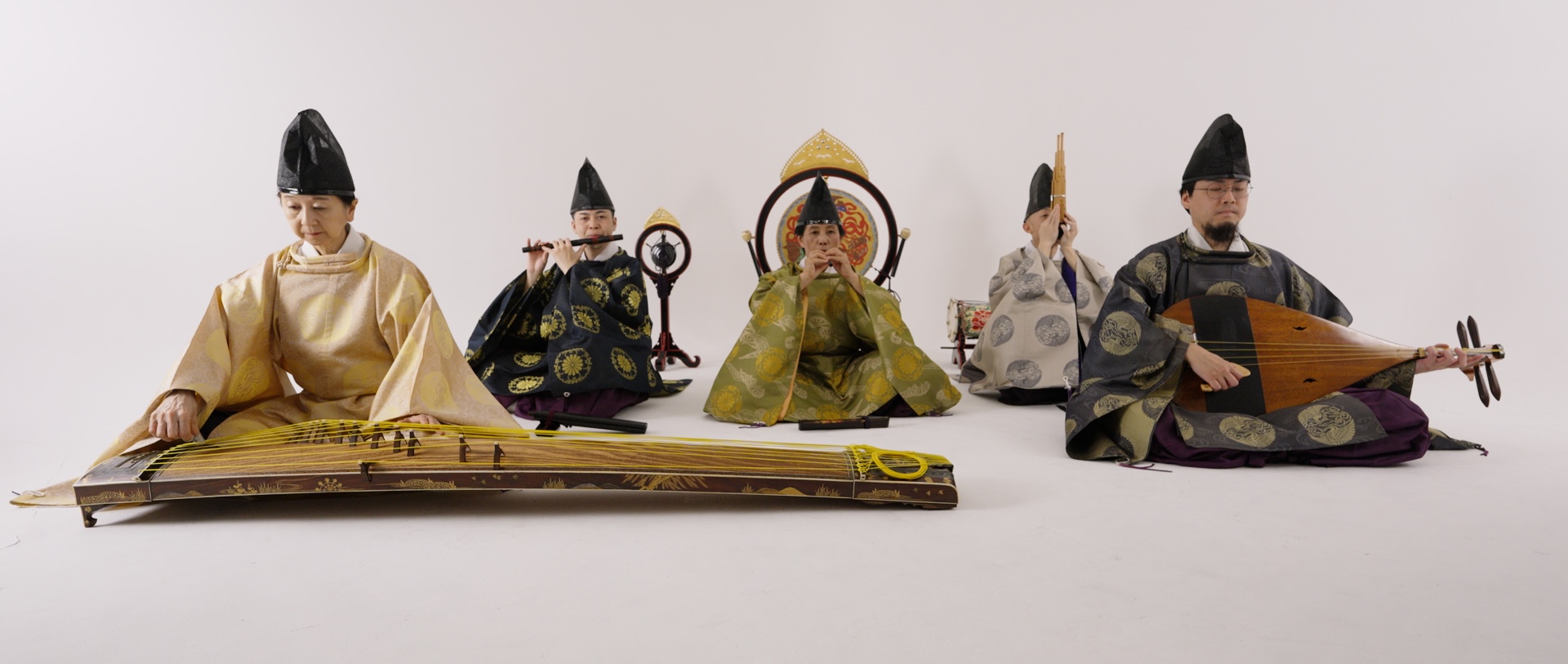
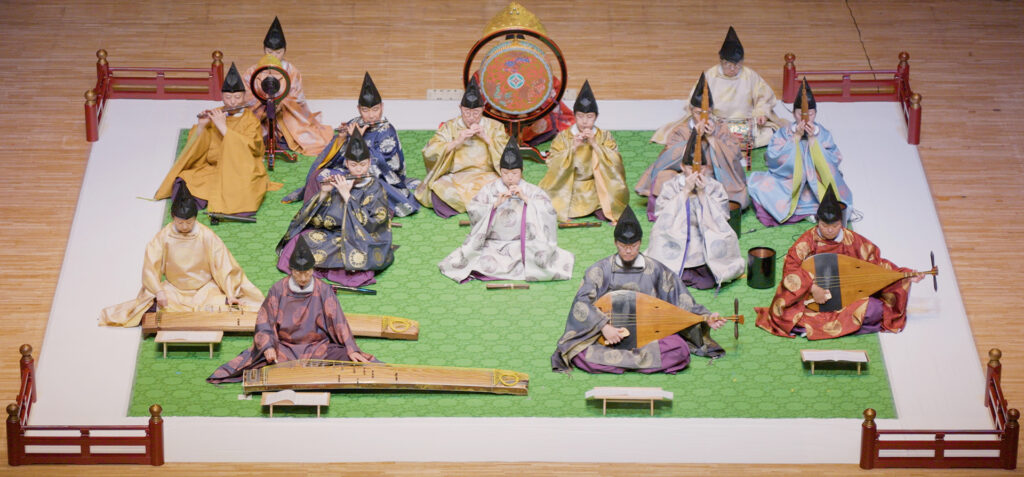
Gagaku is a traditional Japanese performing art that brings together ancient Japanese song and dance with music and dance introduced from other parts of Asia during the Nara and Heian periods. Within the culture of the Imperial Court, these diverse traditions were shaped and systematized into a uniquely Japanese form.
For more than 1,000 years, Gagaku has been performed and passed down at the Imperial Court, temples, and shrines.
One of the defining characteristics of Gagaku is the absence of a conductor directing the ensemble as a whole, as is common in Western music. Instead, the performers rely on one another’s breathing and sense of pulse, with each instrument playing a distinct role in shaping the melody and the overall sound.
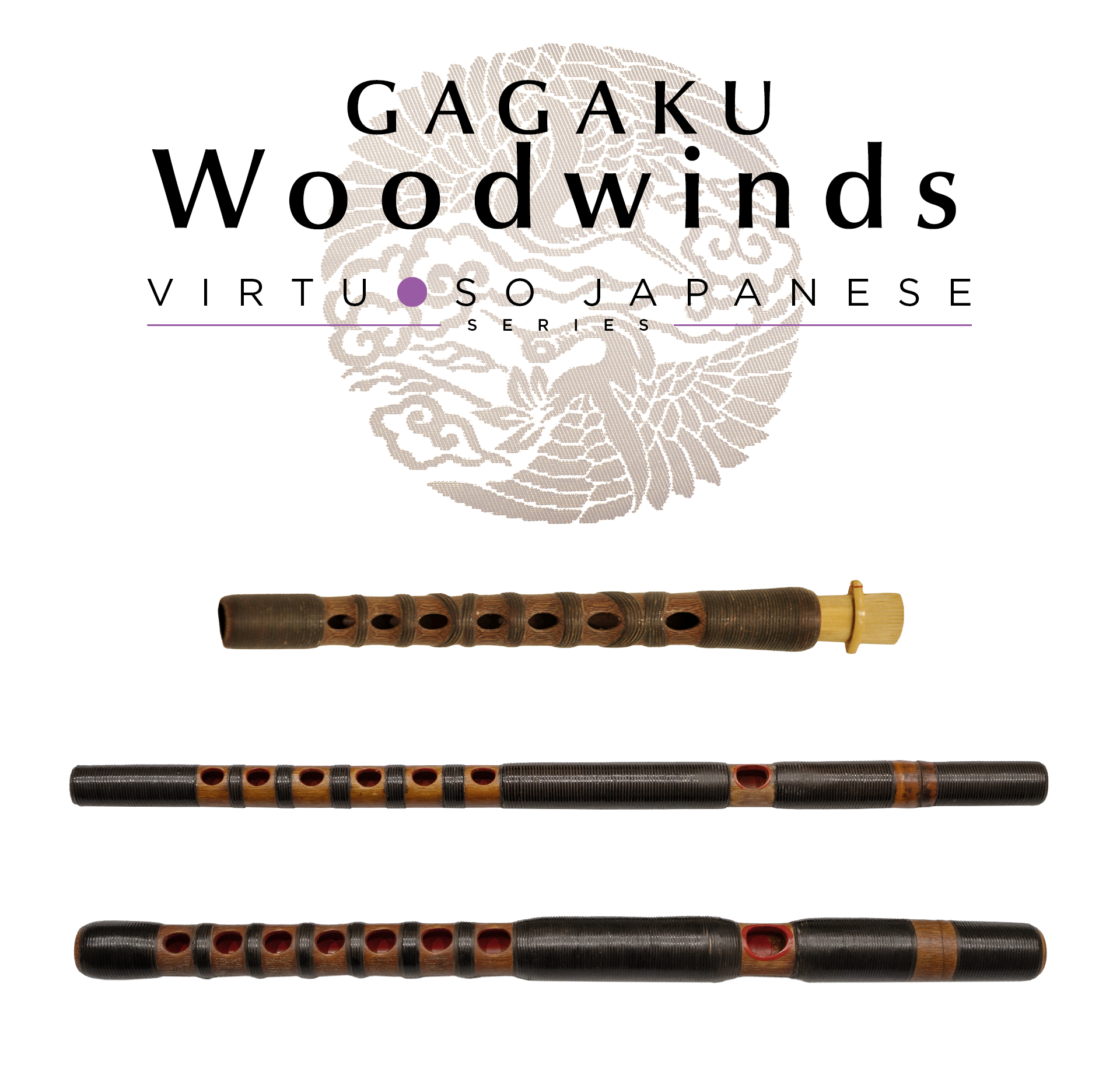
GAGAKU Woodwind Collection
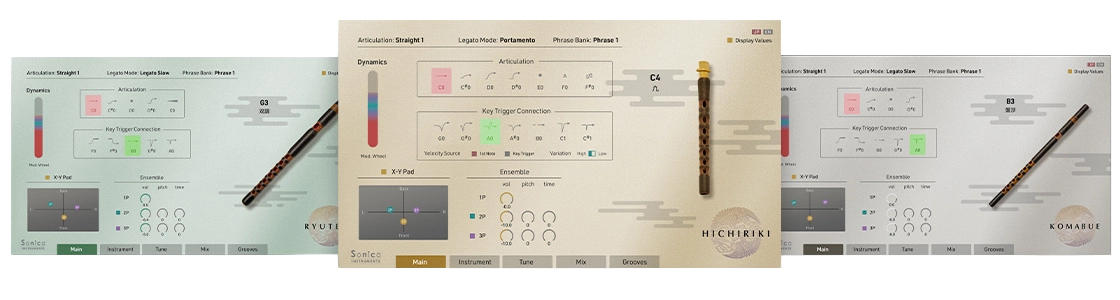
The library includes a wide range of articulations that recreate the distinctive playing techniques of each instrument. Sonica’s unique Key Trigger Connection function also lets you connect articulations freely, enabling natural expressions of breath and fingering that have traditionally been difficult to reproduce with sampled instruments.
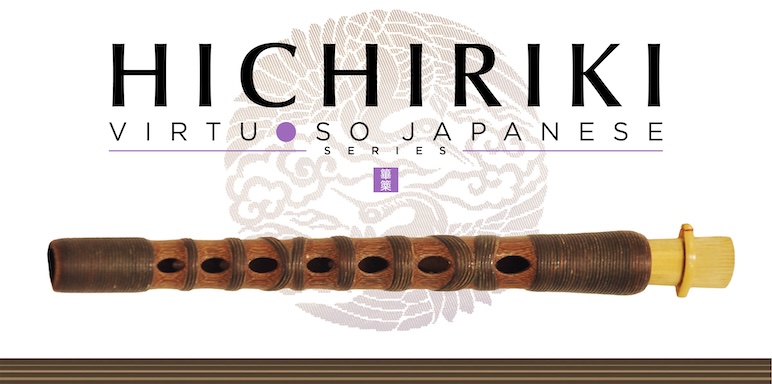
The Hichiriki is a vertical bamboo flute fitted with a double reed and is responsible for the principal melody in many forms of Gagaku.
It is characterized by its powerful tone and a technique known as enbai, in which the player smoothly bends the pitch through breath control without changing the fingering.
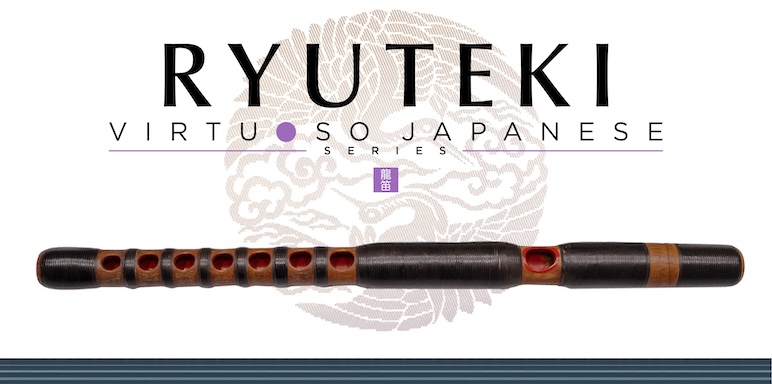
Like the Hichiriki, the Ryuteki is a melodic instrument, but it is a transverse flute. It is used in Kangen and Saho Bugaku.
With its rich tone and wide range, the Ryuteki shares the melody with the Hichiriki while adding color through ornamental phrases.
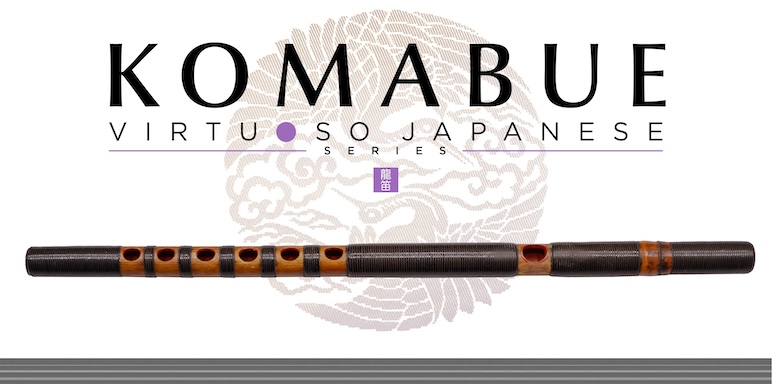
The Komabue is a transverse flute used in the Uho Bugaku of Komagaku.
Slightly smaller than the Ryuteki, it is distinguished by its clear, penetrating tone.
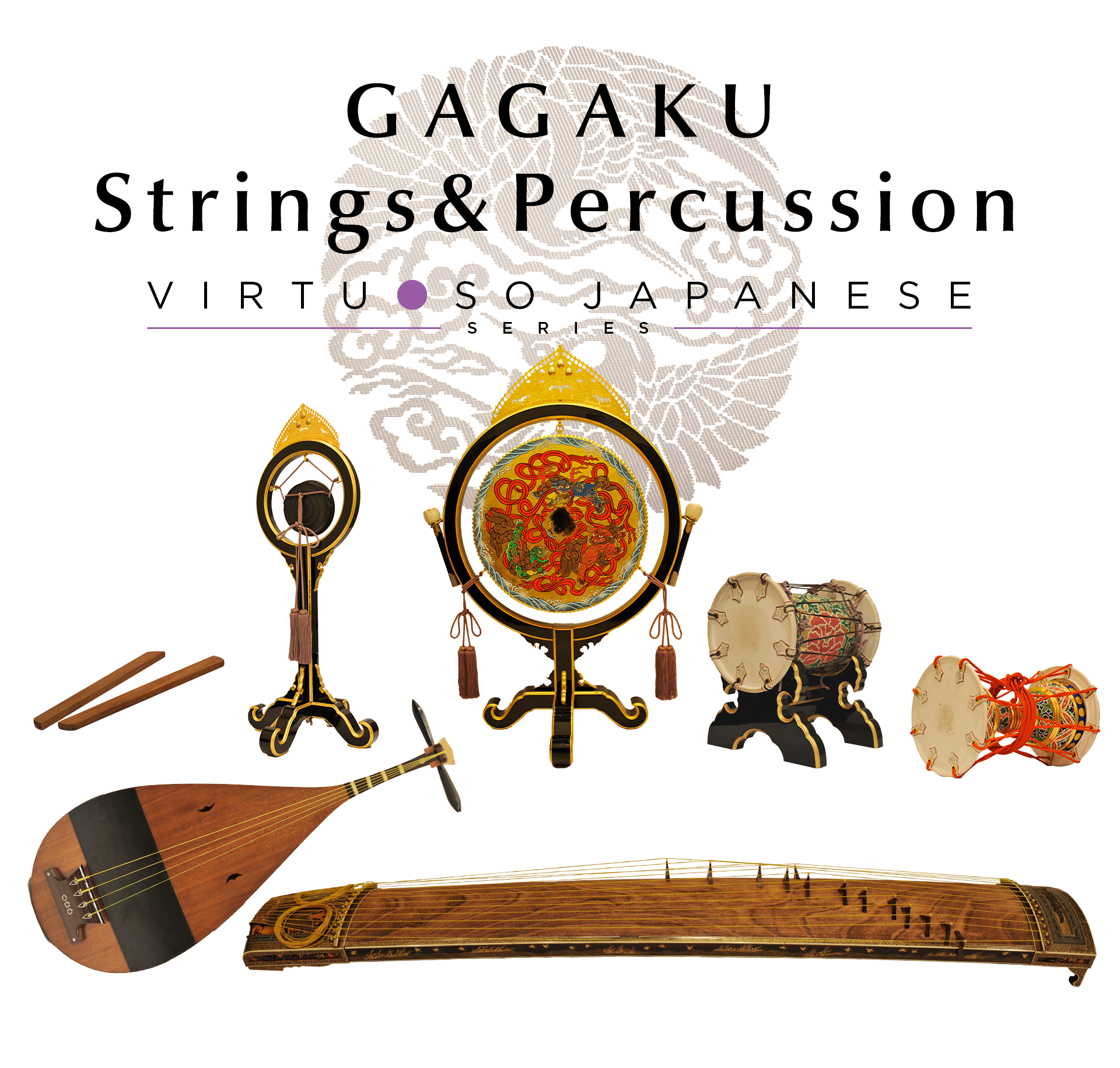
GAGAKU Strings & Percussion Collection
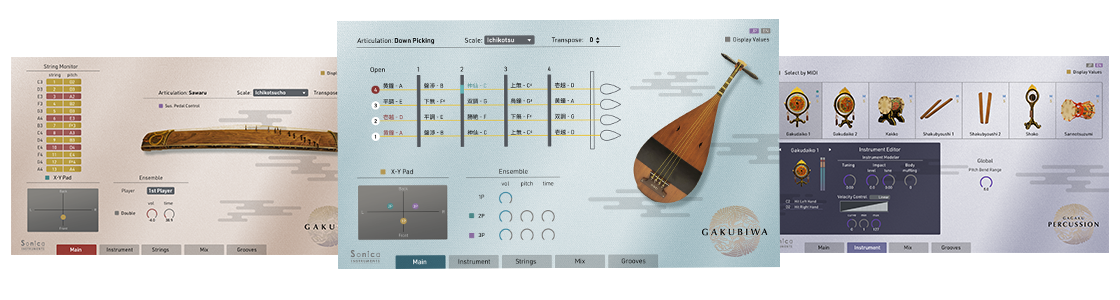
Features two string instruments used in Gagaku, GAKUBIWA and GAKUSO, along with GAGAKU PERCUSSION.
Each string is treated as an independent instrument through Sonica’s unique sound-generation mechanism. From the individual strings to the tonal variations produced by the plectrum or picks, the library explores the full expressive potential of these plucked-string instruments.
The percussion section covers the principal percussion instruments used in Gagaku. A dedicated sound engine combined with an extensive range of articulations faithfully recreates their distinctive expressions.
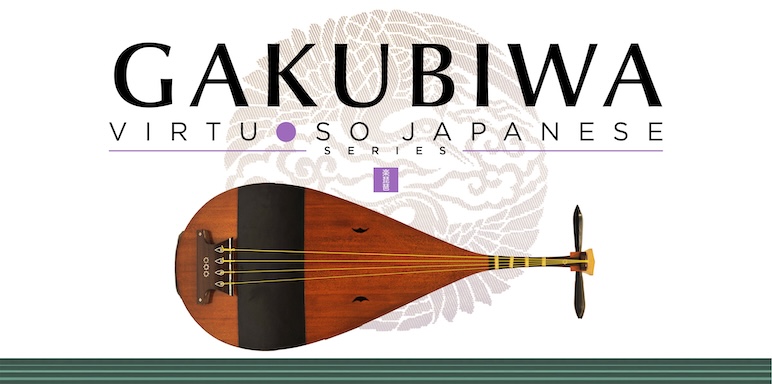
The Gakubiwa works together with the Gakuso to articulate the rhythm of the ensemble.
Its four strings behave as independent instruments through a dedicated String Mode mechanism, allowing you to select and play any string individually. You have complete control over the tonal variations created by the strings and plectrum.
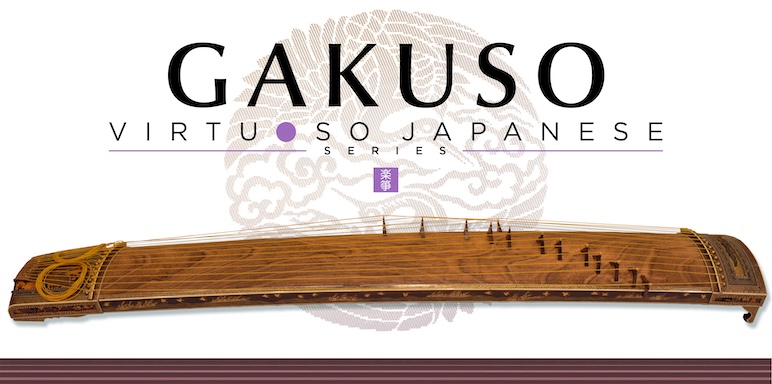
The Gakuso is the koto used in Gagaku.
By treating each of its 13 strings as an independent instrument, the library gives you detailed control over the instrument’s characteristic playing expressions and behavior while also opening the door to entirely new timbres and phrasing.
It offers the flexibility to move beyond Gagaku into contemporary musical approaches.
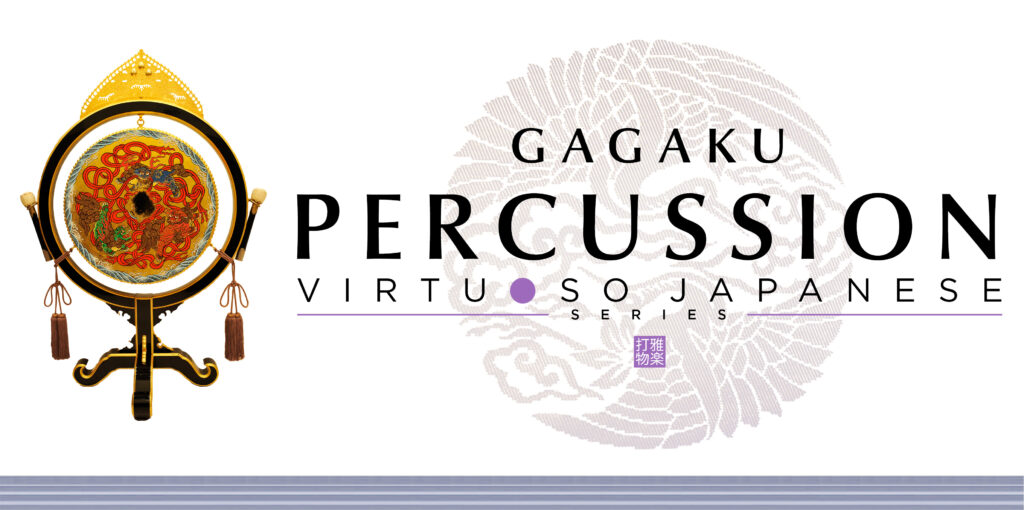
Includes five percussion instruments used in Gagaku, with seven variations in total: Gakudaiko, Kakko, Shakubyoshi, Shoko, and San-no-tsuzumi.
Independent right- and left-hand strokes are provided, while the dedicated engine allows free tuning without sacrificing the instruments’ natural resonance.
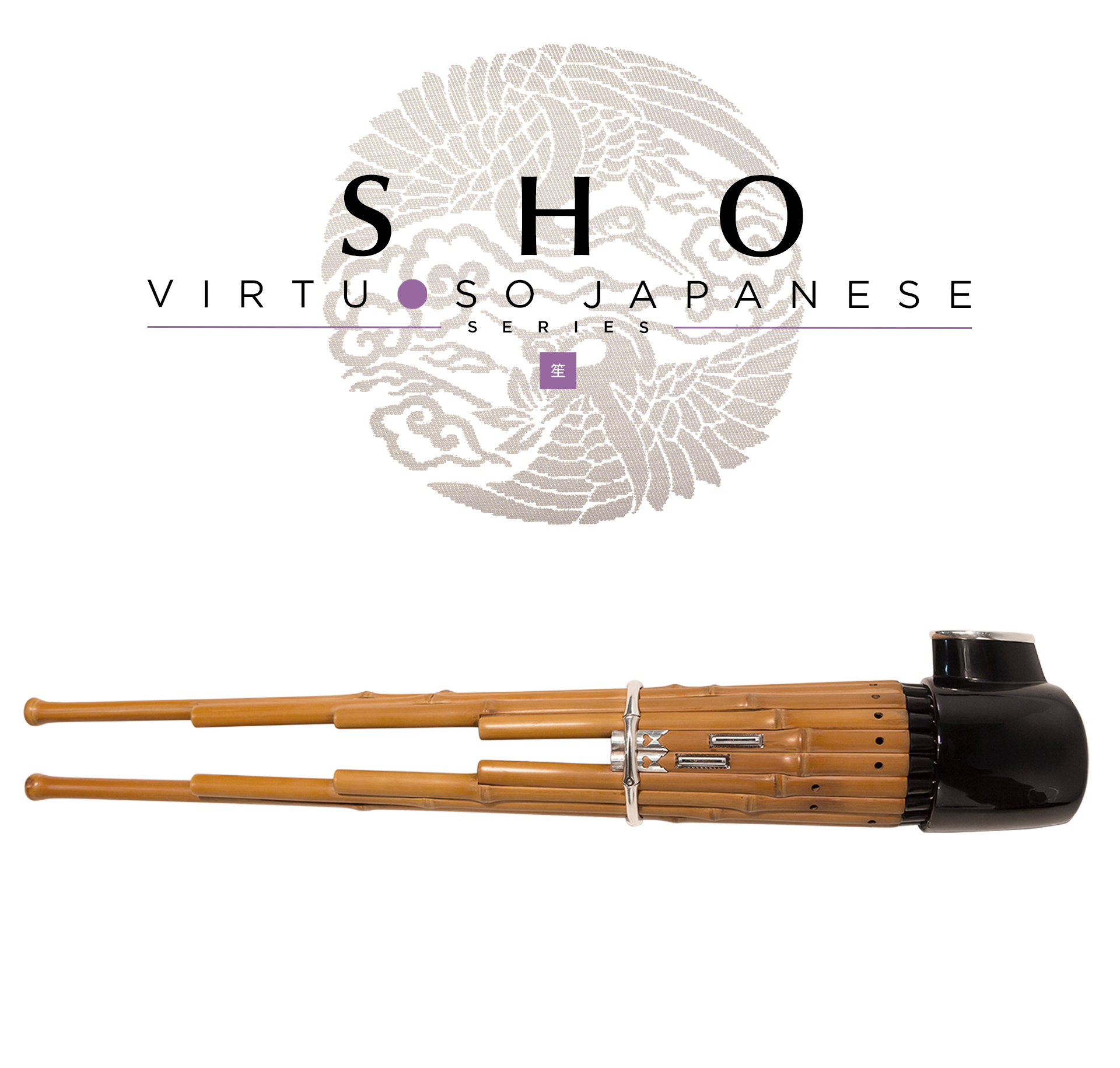
SHO
The Sho is a reed instrument consisting of 17 bamboo pipes of different lengths.
In Kangen and Sahō Bugaku, it envelops the entire ensemble with aitake, chords typically consisting of five or six simultaneous tones. In Saibara and other forms, the Sho may also play melodies using itchiku, in which a single tone is played at a time.
Key Features
- Delicate, richly detailed sound captured in high-resolution 24-bit / 96 kHz
- Recreates the distinctive behavior of traditional Gagaku instruments
- A wide range of articulations sampled for individual playing techniques
- Performance mechanisms designed for natural, expressive playing
- Flexible mixing with multiple microphone positions
- User interfaces optimized for the characteristics of each instrument
- Ready-to-use MIDI Grooves recreating well-known Gagaku pieces
- NKS ready / Native Access compatible