Content gap mapping helps businesses understand which important topics are missing from their website. When content marketing services are guided by structured gap analysis, organic growth becomes more strategic, measurable, and focused on real user demand ✨.
Why content gaps limit organic growth
A website can have many pages and still miss the questions that potential customers search for before making a decision. Content gaps appear when competitors answer useful queries, cover deeper subtopics, or build stronger topical clusters. If these missing areas are ignored, a brand may lose traffic, leads, and authority even with regular publishing.
What content gap mapping means
Content gap mapping is the process of comparing current website content with user intent, keyword demand, competitor coverage, and business goals. It shows which topics are absent, underdeveloped, outdated, or poorly connected. The goal is not to publish more content randomly, but to create a clearer roadmap for what should be written, updated, merged, or removed.
Main benefits for strategy
A strong content map turns scattered ideas into a structured editorial system. It helps teams see which pages support awareness, comparison, conversion, and retention. This creates better planning for blog posts, service pages, guides, landing pages, and faq sections ✅.
Ratings for content gap priorities
| Gap type | Growth rating | Strategy value | Recommended action |
|---|---|---|---|
| Missing service intent pages | High | High | Create focused landing pages |
| Weak comparison content | High | Medium | Add practical decision guides |
| Outdated informational articles | Medium | High | Refresh facts and structure |
| Thin blog posts | Medium | Medium | Expand or merge content |
| Missing internal links | High | High | Connect related topic clusters |
Practical tips for better mapping
- ✅ Compare existing pages with search intent
- ✅ Group missing topics by funnel stage
- ✅ Check competitor pages without copying them
- ✅ Identify pages that need updates before new writing
- ✅ Build topic clusters around core services
- ✅ Track results after publishing or refreshing content
These recommendations help teams avoid unfocused content production. They also make it easier to explain why each topic deserves attention and how it supports business growth ✨.
Common mistakes during analysis
Many teams look only at keywords and ignore the reason behind the search. A keyword may look valuable, but the content format might need to be a guide, comparison, checklist, case study, or service page. Another mistake is creating new articles while old pages remain weak, duplicated, or disconnected from the site structure ❌.
Case study from a b2b company
A b2b company published blog posts every month but saw little organic growth. The team reviewed the website and found that most articles covered broad educational topics, while important service related questions were missing. Competitors had stronger pages for pricing concerns, implementation steps, industry use cases, and comparison queries.
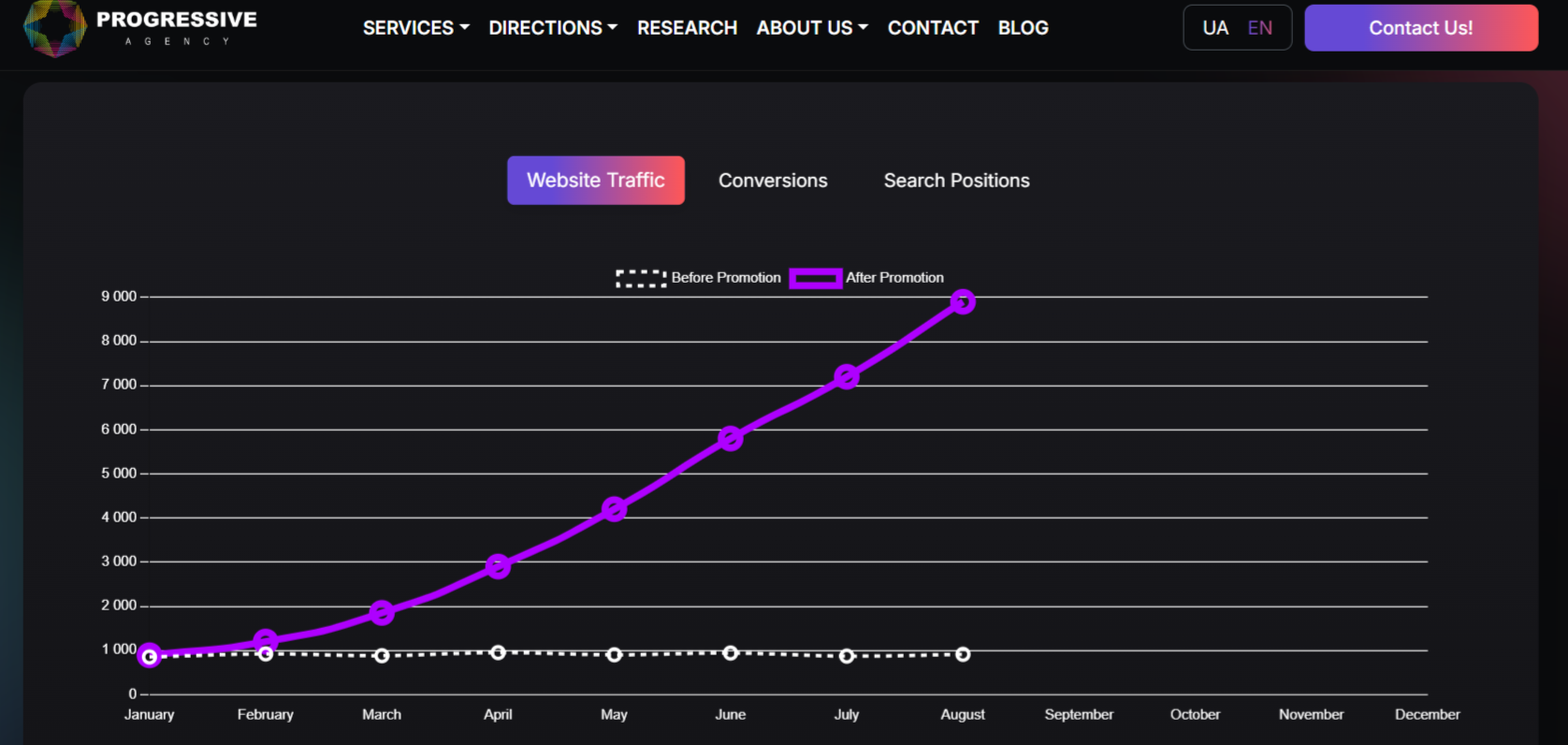
After mapping the gaps, the company created new service support pages and improved internal links between related articles. Several outdated posts were rewritten with clearer intent and stronger calls to action. Over time, organic traffic became more qualified because users found content that matched their decision stage ✅.
Expert view on content strategy
A content gap is not just a missing keyword. It is a missing answer, missing context, or missing step in the customer journey.
This view keeps the strategy focused on usefulness. Strong content planning should connect search demand with customer questions and business priorities.
Long term value of gap mapping
Content gap mapping gives marketing teams a clearer direction for organic growth. It reduces guesswork, improves editorial planning, and helps websites build stronger topical authority. When the map is reviewed regularly, content becomes easier to prioritize, easier to measure, and more valuable for both users and business goals ✨.